Mar 2, 2024
Penpal
Making handwritten text universally accessible through OCR, TTS, and translation tech.
Hub
Recent
A smart OCR-based tool that bridges the gap between handwritten notes and digital accessibility.
By combining vision, speech, and translation.
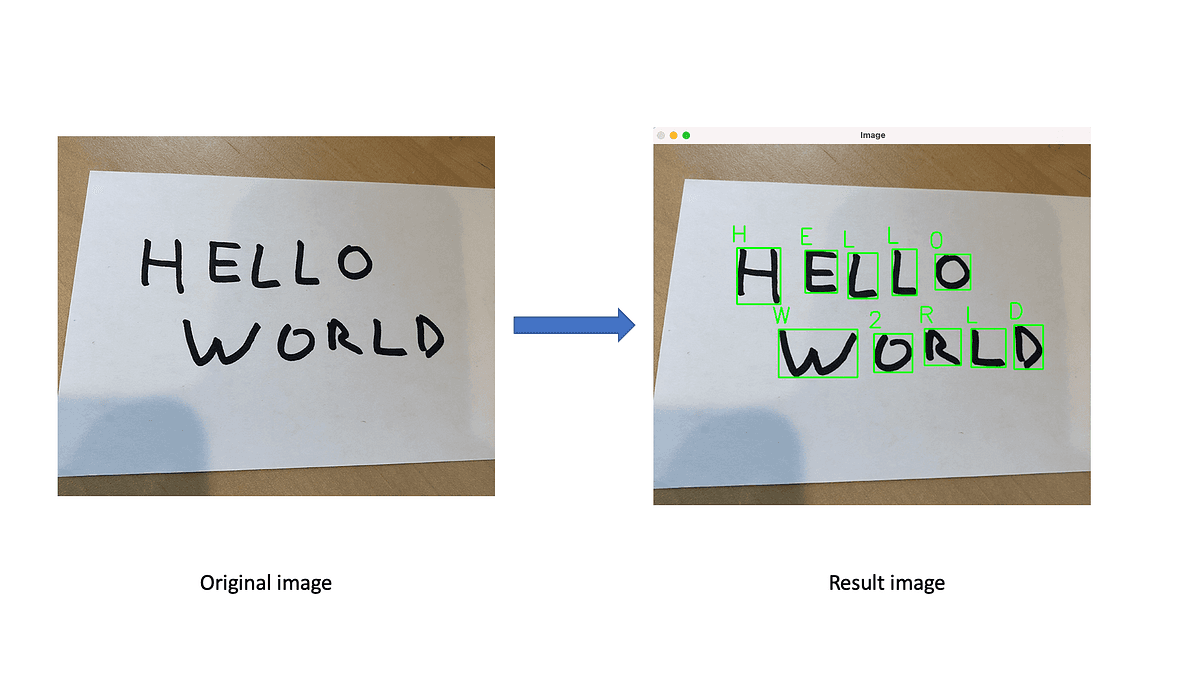
This project is an OCR (Optical Character Recognition) application that detects handwriting and converts it to speech. It also utilizes Google Translate API for translation purposes. The project is built using the following technologies:
OpenCV: An open-source computer vision library used for image processing and analysis. Tesseract: An OCR engine that recognizes text in images. React: A JavaScript library for building user interfaces.
Tailwind CSS: A utility-first CSS framework for designing responsive and modern interfaces.
Problem
Problem
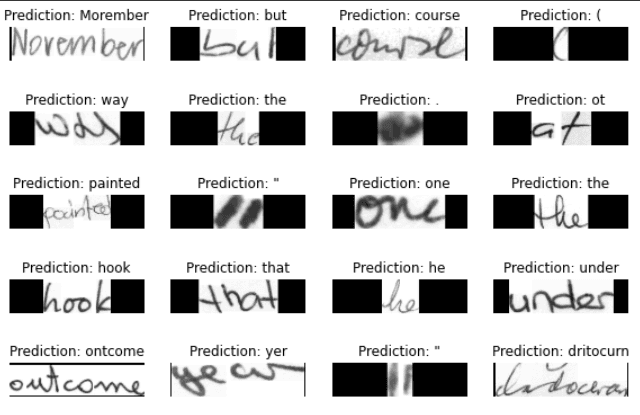
Handwritten content often creates barriers for people with reading difficulties, language differences, or visual impairments. There’s a lack of accessible tools to interpret and understand such analog information.
Many individuals struggle with understanding handwritten content due to language barriers, visual impairments, or reading difficulties. In educational and communication contexts, handwritten notes often remain inaccessible to those who require assistive technologies or translations, especially when digital text isn't available.
Solution
Solution
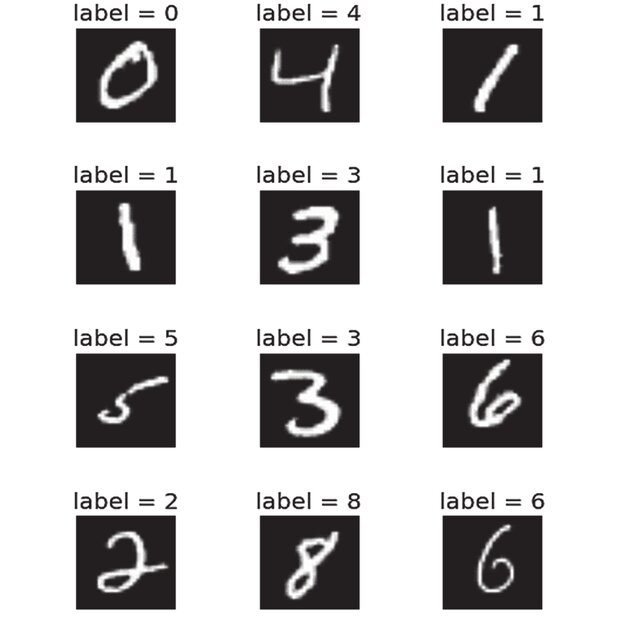
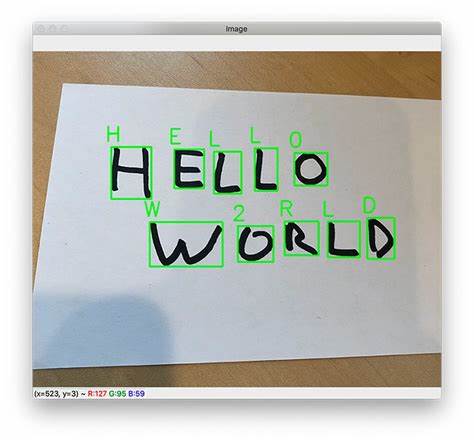
Penpal extracts handwritten text from images, converts it to speech, and translates it using Google APIs. It ensures better accessibility and understanding through a simple, interactive interface.
Penpal is an OCR-powered application that bridges the gap between handwritten content and digital accessibility. It detects handwriting from images, converts it into readable and audible text using Tesseract and Text-to-Speech technology, and translates it into multiple languages using the Google Translate API. Built using React, OpenCV, and Tailwind CSS, Penpal ensures a seamless and responsive user experience.
Latest Updates
©2025
Latest Updates
©2025

Mar 2, 2024
Penpal
Making handwritten text universally accessible through OCR, TTS, and translation tech.
Hub
Recent
A smart OCR-based tool that bridges the gap between handwritten notes and digital accessibility.
By combining vision, speech, and translation.
This project is an OCR (Optical Character Recognition) application that detects handwriting and converts it to speech. It also utilizes Google Translate API for translation purposes. The project is built using the following technologies:
OpenCV: An open-source computer vision library used for image processing and analysis. Tesseract: An OCR engine that recognizes text in images. React: A JavaScript library for building user interfaces.
Tailwind CSS: A utility-first CSS framework for designing responsive and modern interfaces.
Problem
Handwritten content often creates barriers for people with reading difficulties, language differences, or visual impairments. There’s a lack of accessible tools to interpret and understand such analog information.
Many individuals struggle with understanding handwritten content due to language barriers, visual impairments, or reading difficulties. In educational and communication contexts, handwritten notes often remain inaccessible to those who require assistive technologies or translations, especially when digital text isn't available.
Solution
Penpal extracts handwritten text from images, converts it to speech, and translates it using Google APIs. It ensures better accessibility and understanding through a simple, interactive interface.
Penpal is an OCR-powered application that bridges the gap between handwritten content and digital accessibility. It detects handwriting from images, converts it into readable and audible text using Tesseract and Text-to-Speech technology, and translates it into multiple languages using the Google Translate API. Built using React, OpenCV, and Tailwind CSS, Penpal ensures a seamless and responsive user experience.
Latest Updates
©2025
Mar 2, 2024
Penpal
Making handwritten text universally accessible through OCR, TTS, and translation tech.
Hub
Recent
A smart OCR-based tool that bridges the gap between handwritten notes and digital accessibility.
By combining vision, speech, and translation.
This project is an OCR (Optical Character Recognition) application that detects handwriting and converts it to speech. It also utilizes Google Translate API for translation purposes. The project is built using the following technologies:
OpenCV: An open-source computer vision library used for image processing and analysis. Tesseract: An OCR engine that recognizes text in images. React: A JavaScript library for building user interfaces.
Tailwind CSS: A utility-first CSS framework for designing responsive and modern interfaces.
Problem
Handwritten content often creates barriers for people with reading difficulties, language differences, or visual impairments. There’s a lack of accessible tools to interpret and understand such analog information.
Many individuals struggle with understanding handwritten content due to language barriers, visual impairments, or reading difficulties. In educational and communication contexts, handwritten notes often remain inaccessible to those who require assistive technologies or translations, especially when digital text isn't available.
Solution
Penpal extracts handwritten text from images, converts it to speech, and translates it using Google APIs. It ensures better accessibility and understanding through a simple, interactive interface.
Penpal is an OCR-powered application that bridges the gap between handwritten content and digital accessibility. It detects handwriting from images, converts it into readable and audible text using Tesseract and Text-to-Speech technology, and translates it into multiple languages using the Google Translate API. Built using React, OpenCV, and Tailwind CSS, Penpal ensures a seamless and responsive user experience.
Latest Updates
©2025