
Apr 12, 2024
Finger2BloodType
This project uses Convolutional Neural Networks (CNNs) to detect a person's blood group from fingerprint images.
CNN
ResNet
It explores and compares the performance of multiple deep learning models to identify patterns correlating fingerprints with blood group types.
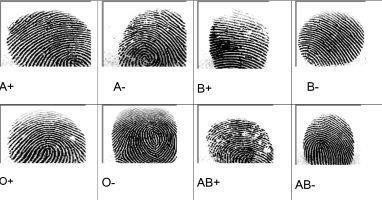
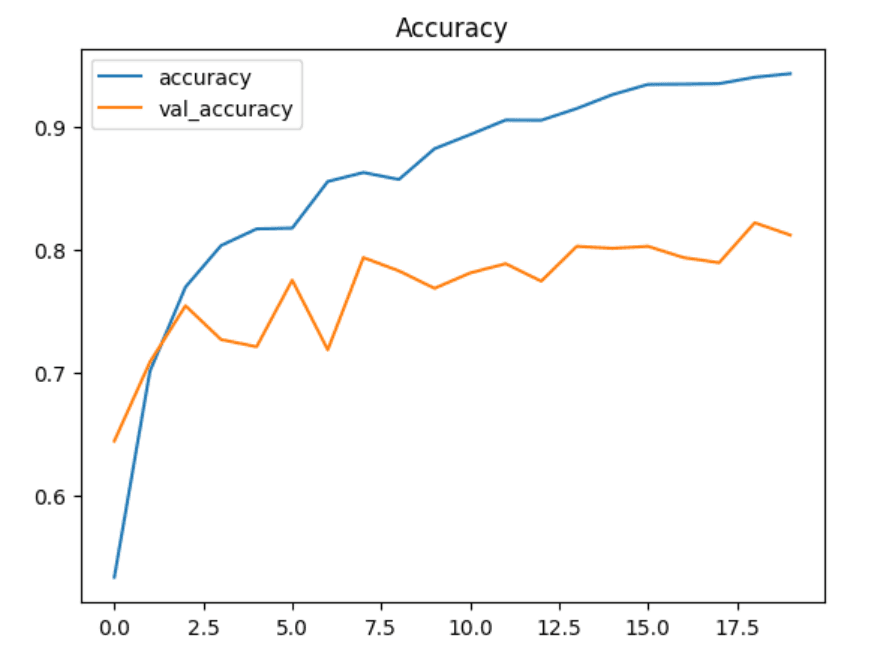
Fingerprint-Based Blood Group Detection is a deep learning project that aims to predict a person's blood group using fingerprint images. By training various CNN architectures like ResNet, VGG16, AlexNet, and LeNet on a dataset of 6,000–7,000 labeled fingerprints, the system learns to identify subtle patterns linked to different blood types. This approach offers a fast, non-invasive alternative to traditional blood testing, making it especially useful in emergency scenarios or remote areas where quick identification is critical. The project includes model training notebooks, performance visualizations, and a structured dataset for easy experimentation and scalability.
Problem
Problem
Traditional blood group detection methods require blood samples and lab testing. This can be time-consuming, invasive, and inaccessible in emergency or remote situations where quick identification is critical.
Traditional blood group detection methods rely on physical blood samples, which are invasive, time-consuming, and require access to laboratory equipment and trained personnel. In emergency scenarios, such delays can be life-threatening. Additionally, in remote or underdeveloped regions, the lack of immediate testing facilities poses a serious challenge in identifying a person’s blood group quickly and safely. There’s a need for a faster, non-invasive, and technology-driven solution that can make this process more accessible and efficient.
Solution
Solution
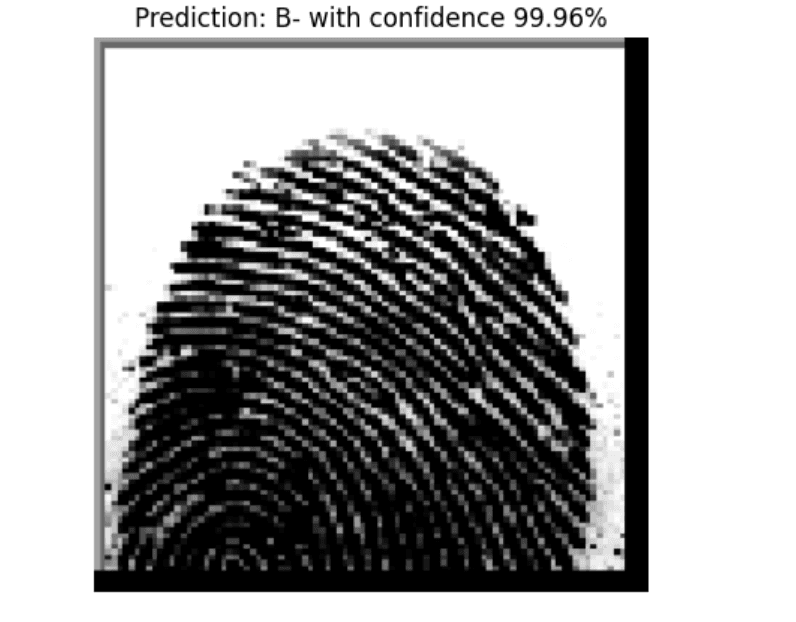
A machine learning-based system that detects blood groups from fingerprint images using CNN models. It offers a fast, non-invasive alternative to traditional testing by leveraging biometric data and deep learning classification.
This project proposes a deep learning-based solution that uses fingerprint images to determine an individual's blood group. It involves training several CNN models—ResNet, VGG16, AlexNet, and LeNet—on a curated dataset of fingerprint images labeled with corresponding blood types. Once trained, these models can accurately classify new fingerprints into one of the eight common blood group categories. This approach eliminates the need for blood samples, offering a rapid, scalable, and non-invasive method of blood group detection that could be integrated into biometric systems in hospitals, ambulances, or even mobile health applications.
Latest Updates
©2025
Latest Updates
©2025


Apr 12, 2024
Finger2BloodType
This project uses Convolutional Neural Networks (CNNs) to detect a person's blood group from fingerprint images.
CNN
ResNet
It explores and compares the performance of multiple deep learning models to identify patterns correlating fingerprints with blood group types.
Fingerprint-Based Blood Group Detection is a deep learning project that aims to predict a person's blood group using fingerprint images. By training various CNN architectures like ResNet, VGG16, AlexNet, and LeNet on a dataset of 6,000–7,000 labeled fingerprints, the system learns to identify subtle patterns linked to different blood types. This approach offers a fast, non-invasive alternative to traditional blood testing, making it especially useful in emergency scenarios or remote areas where quick identification is critical. The project includes model training notebooks, performance visualizations, and a structured dataset for easy experimentation and scalability.
Problem
Traditional blood group detection methods require blood samples and lab testing. This can be time-consuming, invasive, and inaccessible in emergency or remote situations where quick identification is critical.
Traditional blood group detection methods rely on physical blood samples, which are invasive, time-consuming, and require access to laboratory equipment and trained personnel. In emergency scenarios, such delays can be life-threatening. Additionally, in remote or underdeveloped regions, the lack of immediate testing facilities poses a serious challenge in identifying a person’s blood group quickly and safely. There’s a need for a faster, non-invasive, and technology-driven solution that can make this process more accessible and efficient.
Solution
A machine learning-based system that detects blood groups from fingerprint images using CNN models. It offers a fast, non-invasive alternative to traditional testing by leveraging biometric data and deep learning classification.
This project proposes a deep learning-based solution that uses fingerprint images to determine an individual's blood group. It involves training several CNN models—ResNet, VGG16, AlexNet, and LeNet—on a curated dataset of fingerprint images labeled with corresponding blood types. Once trained, these models can accurately classify new fingerprints into one of the eight common blood group categories. This approach eliminates the need for blood samples, offering a rapid, scalable, and non-invasive method of blood group detection that could be integrated into biometric systems in hospitals, ambulances, or even mobile health applications.
Latest Updates
©2025
Apr 12, 2024
Finger2BloodType
This project uses Convolutional Neural Networks (CNNs) to detect a person's blood group from fingerprint images.
CNN
ResNet
It explores and compares the performance of multiple deep learning models to identify patterns correlating fingerprints with blood group types.
Fingerprint-Based Blood Group Detection is a deep learning project that aims to predict a person's blood group using fingerprint images. By training various CNN architectures like ResNet, VGG16, AlexNet, and LeNet on a dataset of 6,000–7,000 labeled fingerprints, the system learns to identify subtle patterns linked to different blood types. This approach offers a fast, non-invasive alternative to traditional blood testing, making it especially useful in emergency scenarios or remote areas where quick identification is critical. The project includes model training notebooks, performance visualizations, and a structured dataset for easy experimentation and scalability.
Problem
Traditional blood group detection methods require blood samples and lab testing. This can be time-consuming, invasive, and inaccessible in emergency or remote situations where quick identification is critical.
Traditional blood group detection methods rely on physical blood samples, which are invasive, time-consuming, and require access to laboratory equipment and trained personnel. In emergency scenarios, such delays can be life-threatening. Additionally, in remote or underdeveloped regions, the lack of immediate testing facilities poses a serious challenge in identifying a person’s blood group quickly and safely. There’s a need for a faster, non-invasive, and technology-driven solution that can make this process more accessible and efficient.
Solution
A machine learning-based system that detects blood groups from fingerprint images using CNN models. It offers a fast, non-invasive alternative to traditional testing by leveraging biometric data and deep learning classification.
This project proposes a deep learning-based solution that uses fingerprint images to determine an individual's blood group. It involves training several CNN models—ResNet, VGG16, AlexNet, and LeNet—on a curated dataset of fingerprint images labeled with corresponding blood types. Once trained, these models can accurately classify new fingerprints into one of the eight common blood group categories. This approach eliminates the need for blood samples, offering a rapid, scalable, and non-invasive method of blood group detection that could be integrated into biometric systems in hospitals, ambulances, or even mobile health applications.
Latest Updates
©2025